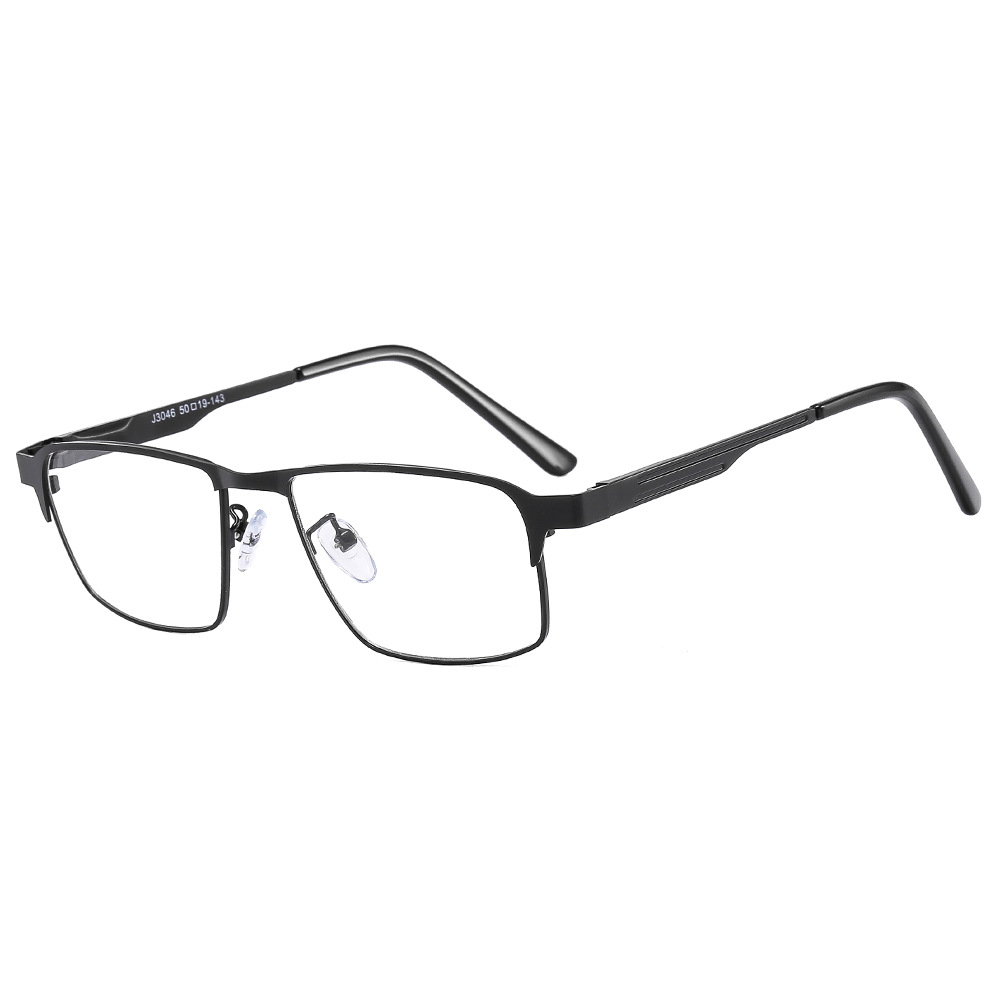
I understand the struggle. Finding the perfect pair of reading glasses can feel like a daunting task. You're looking for clear vision, lasting comfort, and a style you love—all without overspending. I've been in that exact spot and made several costly errors when buying reading glasses online. Learn from my experience so you don't have to. Selecting a new pair, particularly one with a specific reading prescription, requires more careful consideration than it might seem. My missteps led to wasted money and compromised vision.
My most significant error was constantly hunting for the lowest price. I'd see reading glasses advertised for just a few dollars and think, "What's the harm? They all serve the same purpose, don't they?" That was a huge mistake. I discovered the hard way that a rock-bottom price typically means rock-bottom quality. The frames felt fragile, the lenses scratched almost instantly, and the hinges failed within weeks.
I get it—we all want to save money. But for an item you use daily, especially one that affects your eyesight, going cheap often means buying twice. Even worse, you risk straining your eyes with inferior lenses. Don't repeat my mistake.
Verdict: Never choose based on price alone. Seek value, not just the lowest number on the tag.
In my quest to save, I also overlooked the subtle details that indicate quality. I ignored factors like frame material, lens technology, and even the clarity of product close-ups. I would skim a photo, confirm my diopter strength, and add the item to my cart. This was a poor approach for meeting my reading prescription needs.
Take the Mozaer Shop, for example, which offers glasses like the P56989 Small Size Square Frame Photochromic Reading Glasses. These are described as "Ultralight" with "Photochromic" lenses. Had I paid attention earlier, I would have understood these terms are meaningful. "Ultralight" points to comfort for all-day wear, while "Photochromic" means the lenses adapt to sunlight. Ignoring these details means you don't truly know what you're buying.
Action Step: Always read the product description thoroughly. Look for specifics on materials, lens features, and build quality. Pay attention to terms like 'ultralight', 'durable', 'anti-scratch', or 'photochromic'.
Sometimes I was in such a rush that I skipped the review section entirely or only glanced at the first few positive comments. This is a classic trap. Genuine user reviews are like getting advice from hundreds of people who have already purchased the product. They reveal what's genuinely good and what's problematic.
I learned to look for patterns in feedback. If multiple people mention blurry lenses or fragile frames, consider it a warning sign. Conversely, consistent praise for comfort or durability is a positive signal. Don't make my error of assuming your experience will be the exception.
Verdict: Always, without fail, check the reviews. Read a mix of positive and negative feedback to get a balanced view.
Those online ads can be so convincing, can't they? Perfect lighting, smiling models, and sleek designs. I fell for them repeatedly. An ad would appear for a stylish pair of reading glasses, and I'd click 'buy' without a second thought. My reasoning was, "If it looks that impressive, it must be good."