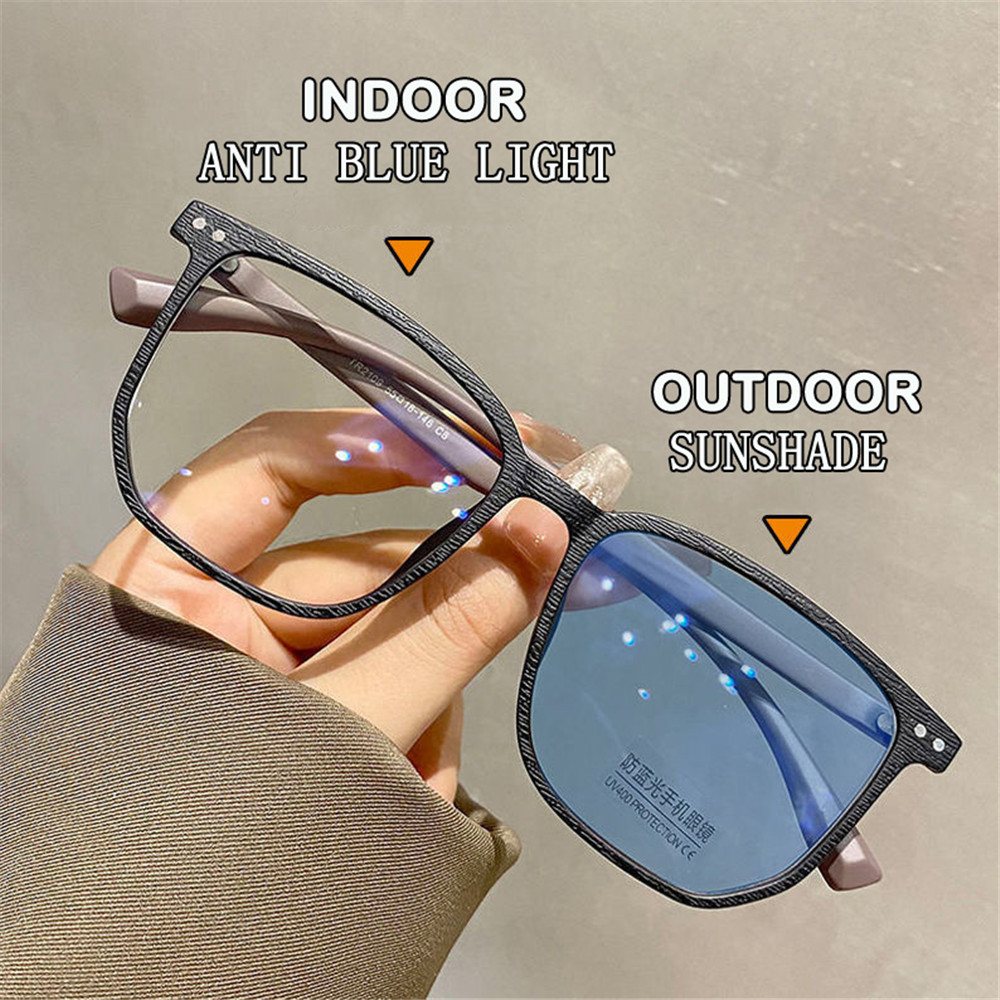
We all want a good deal, especially when buying things like reading glasses on line. I used to think I was saving money, but looking back, I realize I just wasted a lot. Over the past few years, I bought so many cheap pairs of reading glasses online. I lost count, but I know it added up to hundreds of dollars. Each pair promised to be "the one." Each time, I was let down. They broke easily, hurt my nose, or didn't help my eyes at all. I wasted my hard-earned money and a lot of my time trying to find something that just worked. It was a frustrating cycle of hope and disappointment.
Now, I finally found glasses that actually help me see clearly and feel good. I want to share my story so you don't make the same mistakes I did. You deserve to find good reading glasses without all the hassle.
My biggest regret was always going for the cheapest option. I thought, "How different can reading glasses be?" I'd see a pair for five or ten dollars and think, "Great! A bargain!" But these cheap glasses were a trap. The frames felt flimsy. They often had sharp edges that dug into my skin. The lenses were even worse. They would scratch so easily, sometimes just from wiping them with a soft cloth. Some lenses even made my vision blurrier, or gave me headaches.
I would buy a pair, use them for a week or two, and then they'd break. The arms would snap off, a screw would fall out, or the lenses would pop right out of the frame. I kept telling myself it was just bad luck. But it happened again and again. I ended up buying five or six pairs in a year, which quickly became more expensive than buying one good pair. It was a classic example of "buy cheap, buy twice" – or in my case, buy many times over.
Verdict: Don't just look at the price tag. Cheap usually means poor quality that won't last. Invest a little more for something durable.
Another big mistake was trusting all the fancy words and perfect pictures online. Websites would show models with perfect vision wearing these glasses, smiling like they'd found the secret to life. They would use terms like "HD clarity" or "super durable" or "anti-glare." But when the glasses arrived, they were nothing like the pictures. The colors were off, the frames looked different, and the lenses didn't feel "HD" at all.
I remember one pair that promised "blue light protection." I bought them because I spend a lot of time on my computer. They looked great in the photos. But when I got them, I couldn't tell any difference. My eyes still felt tired and strained. There was no real blue light filter. It was just a marketing trick to get me to buy them. This made me feel cheated. It's hard to trust what you see online when so many sellers make up claims.
Verdict: Be careful with big claims. If something sounds too good to be true, it probably is. Look for actual proof, not just pretty words.
My third regret was not doing enough homework before clicking "buy." I would quickly scan the product page, see the low price, and just go for it. I didn't bother to scroll down and read the reviews from other people. I didn't look for real photos taken by buyers. I just trusted the seller's pictures and descriptions. This was a huge mistake.
If I had just taken a few extra minutes, I would have seen all the complaints. I would have seen photos of broken frames and blurry lenses. I would have learned that many people were just as disappointed as I was. I was so eager to get new reading glasses on line that I skipped the most important step: checking what other real users had to say. This bad habit cost me money and a lot of frustration. It also made me lose faith in buying reading glasses online.
Verdict: Always, always check buyer reviews and photos. They are your best guide to knowing if a product is actually good or not. Do your research!